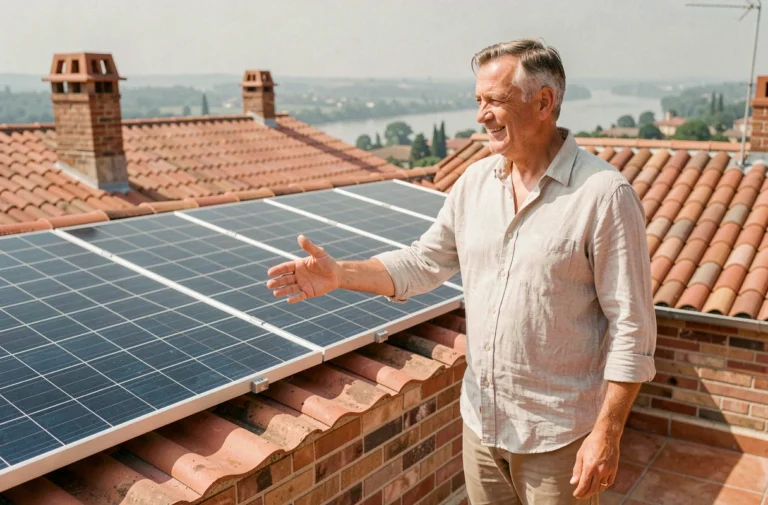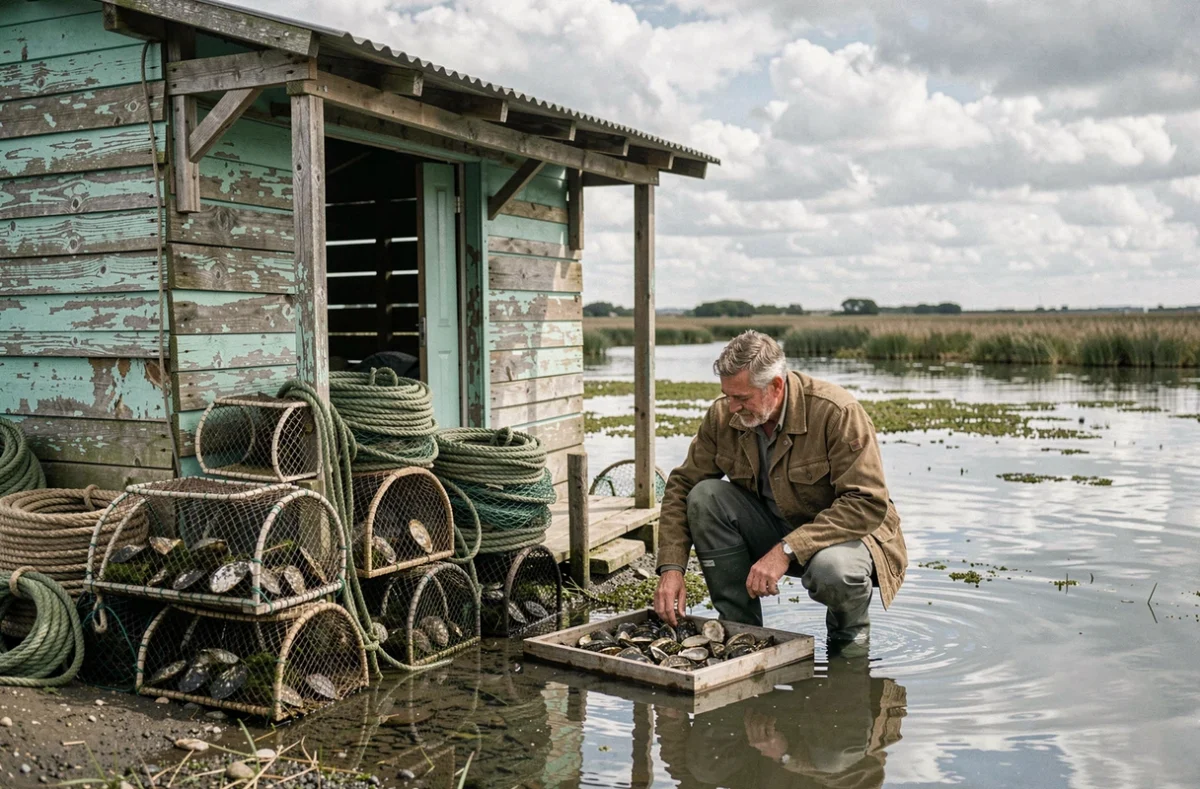
When looking for the oyster farm from Demain nous appartient on a map of Sète, you won’t find it. Normal: the farm is located in Loupian, on the Thau basin. This geographical discrepancy between fiction and filming often creates confusion among fans who roam the Sète quays hoping to stumble upon the set of Alex and Judith.
Loupian and the Thau basin: why the oyster farm is not in Sète
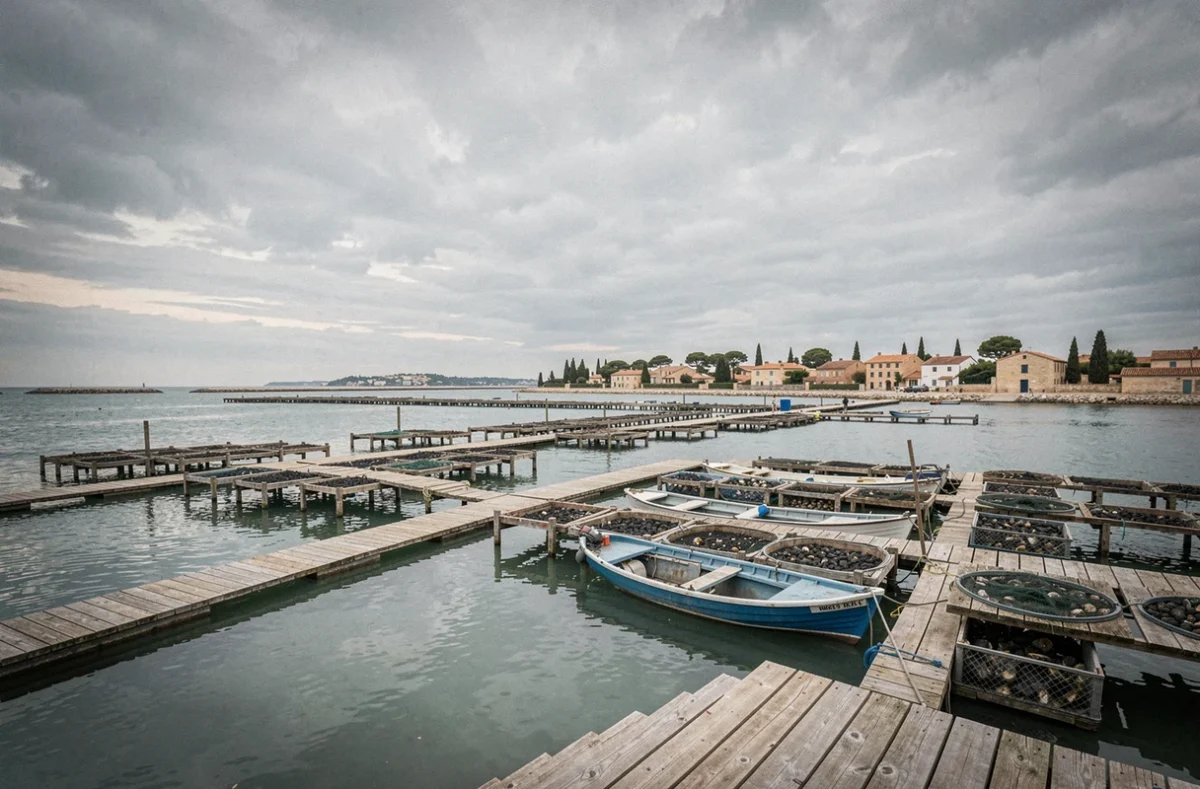
The production of DNA uses Sète as the main backdrop, but it strays from it whenever the script requires. For the oyster farm, the choice was made to use the municipality of Loupian, situated on the northern shore of the Thau basin. The shellfish farming area of Loupian, accessible from the east, is home to several active oyster farms.
This choice is not trivial. Loupian offers a landscape of oyster tables and farms by the pond that the center of Sète cannot replicate. The exteriors are filmed there to capture the ambiance of an authentic operation, with its oyster parks visible in the background. The address of the oyster farm in the series is documented by several sources confirming this location outside of Sète.
The interiors are recreated in a studio, in the former Skalli cellar in Sète, where the production has set up more than fifteen permanent sets. The farm seen on screen is therefore a composite: the facades and the natural setting come from Loupian, while the interior scenes are filmed in this vast Sète production space.
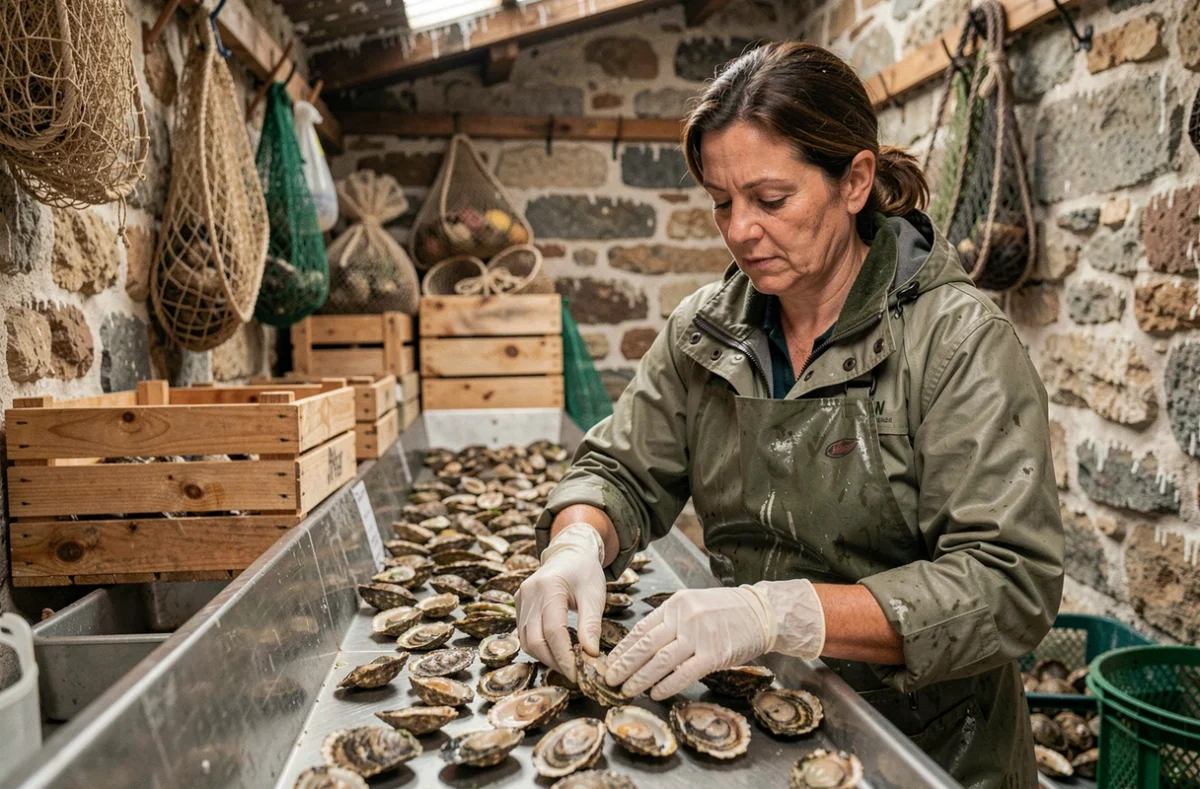
DNA filming set and real oyster farming: what you see on site
A question often arises on forums and Facebook groups dedicated to the series: can you visit the oyster farm from DNA? The answer requires distinguishing three overlapping realities.
- The fictional place (Alex and Judith’s farm) exists only in the script. You cannot enter it, nor visit it as a series set.
- The outdoor filming site in Loupian is an active shellfish farming area. On non-shooting days, it operates like any other farm, not a marked tourist site.
- Loupian also offers tours of shellfish farms, with tastings of oysters from the Thau basin. These tours are not related to the production of the series, even if they take place in the same geographical area.
Fans visiting the site must keep in mind that the farm visible on screen is not a site open to the public. The filming crews occupy the location occasionally, and filming dates are not communicated in advance. You can walk along the shellfish farming area from the road, but access to private plots remains prohibited.
Sète remains the heart of the filming of Demain nous appartient
The oyster farm in Loupian is an exception in the geography of the series. The majority of outdoor scenes are filmed in Sète itself, between the Quartier Haut, the beach of Trois Digues (where the Spoon beach hut is located), and several facades of houses used as recurring sets.
The main studio, located on Avenue du Maréchal Juin in the former Skalli cellar, concentrates most of the production. The police station, for example, is entirely built there, facade included. The interior sets of the oyster farm are also recreated there, allowing the teams to film kitchen or living room scenes without having to travel to Loupian.
This organization into two poles (Sète studio for interiors, outdoor sites for facades and landscapes) is common in French daily series. It allows for maintaining the production pace while keeping the visual anchoring in the territory.
What the Thau basin brings to the series
The Thau basin is not just a backdrop. It provides DNA with a visual identity that studios cannot fabricate: the low light on the water, the rows of oyster tables, the low farms with tiled roofs. The choice of Loupian anchors the oyster farming plots in a credible landscape, where a simple shed on the outskirts of Sète would not have had the same effect.
For the screenwriters, this geography expanded to the Thau basin also opens up narrative possibilities. The journeys between Sète and Loupian, the outdoor scenes by the pond, the presence of the oyster parks in the background enrich the setting without the viewer necessarily being aware of the change in municipality.
Visiting DNA filming locations: what is accessible in Sète and around
For fans planning a visit to the city, several filming locations can be freely discovered. The beach of Trois Digues, between Sète and Marseillan-Plage, is accessible on foot. The facades of the houses used in the series (Chloé’s house, the Beddiar house) are located in residential streets that can be walked without restriction, provided that the tranquility of the residents is respected.
- The Quartier Haut of Sète, with its alleys and views of the port, regularly serves as a backdrop for outdoor scenes.
- The former Skalli cellar (Avenue du Maréchal Juin) houses the studio but is not open to visitors.
- The shellfish farming area of Loupian, accessible by car from Sète, allows you to see the type of landscape used for the farm, without a guarantee of finding the exact set.
No official tour of the filming locations is organized by the production. The available information comes from fans and specialized sites that have identified the addresses over the course of the episodes. The exact location of the farm in Loupian remains deliberately discreet to preserve the site and the neighboring farms.
The oyster farm from Demain nous appartient illustrates well how a daily series interacts with the real geography of a territory. Between the Sète studio and the shores of Loupian, the Thau basin offers DNA a setting that fiction dresses up, without ever distorting it.